
Blog
What is IPTV, and how does it work?
IPTV explained without jargon: how live TV travels over the internet, what you need at home, and where it beats or loses to aerial, cable and satellite.

From the Costa del Sol to the Canary Islands, Spain has large Nordic communities. This is what it takes to watch home TV there without a dish.
Mainland Spain shares a time zone with Stockholm, Oslo and Copenhagen, so live TV runs at normal hours; Finland is an hour ahead and the Canary Islands an hour behind. Spanish fibre is among the most widespread in Europe, so the weak point is usually the Wi-Fi in a rented flat, not the country's internet.
| Where you are | Compared with Stockholm, Oslo, Copenhagen | Compared with Helsinki |
|---|---|---|
| Mainland Spain and the Balearics | Same time | 1 hour behind |
| Canary Islands | 1 hour behind | 2 hours behind |
In practice: a Swedish programme at 20:00 airs at 20:00 in Málaga and at 19:00 in Gran Canaria. Finnish news at 20:30 in Helsinki is 19:30 on the mainland.
Spain has one of the most extensive fibre networks in Europe, and most coastal towns have it. A fibre line in your own home is more than enough for several screens in Full HD.
Trouble starts with shared connections: a holiday complex where dozens of flats share one line, or a rental where the router sits locked in the owner's cupboard. At nine on a Saturday evening, that shared line is where your match freezes.
Full HD needs at least 8 Mbit/s per screen, and 15 is comfortable. Two people watching different channels need twice that.
Spanish evenings start late. Catch-up lets you play the evening news or yesterday's match from the guide when you get home: 7 days on the three- and six-month plans, 14 days on twelve months.
The public broadcasters' own apps limit much of their content to their home country, because the rights they buy are national. On a short trip inside the EU, paid streaming subscriptions have to follow you under the EU portability regulation. Living in Spain is not a short trip, and the free public apps are not obliged to follow you in any case. More on this in our page on Nordic TV abroad.
Yes. Over the internet you need no dish, no installer and no permission from the building.
The same time. Mainland Spain and the Balearics share a time zone with Sweden, Norway and Denmark. The Canary Islands are one hour behind.
It works wherever the connection holds up. Shared Wi-Fi in large complexes is the most common problem; a cable to the router, or your own line for long stays, solves it.
IPTV explained without jargon: how live TV travels over the internet, what you need at home, and where it beats or loses to aerial, cable and satellite.
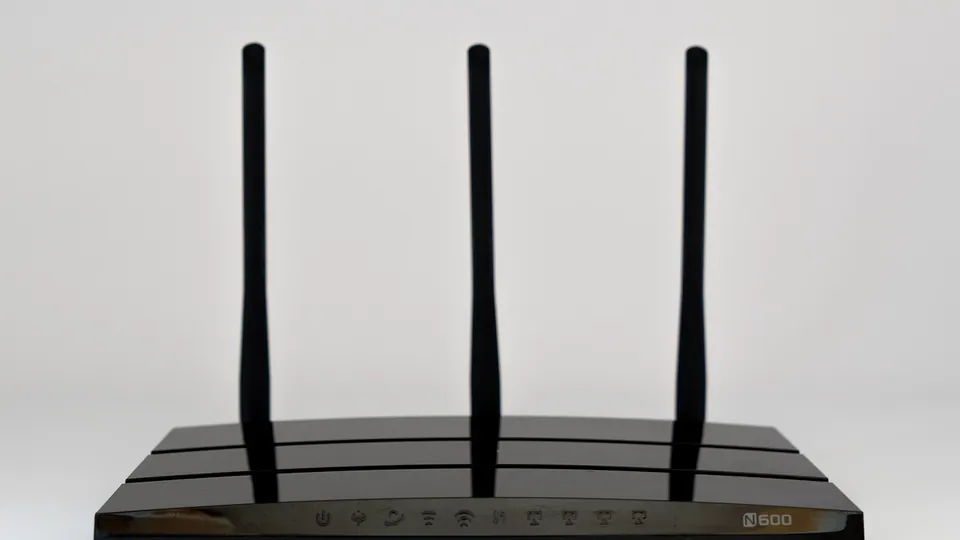
Why IPTV buffers and freezes, in the order the causes usually turn up: Wi-Fi, the device, evening congestion, the player buffer. Plus tests that pinpoint which.

What an M3U playlist is, what an Xtream Codes login is, which to use in which app, and how to fix the error messages that stop a login from working.

The test runs for 48 hours on one screen and stops by itself. Put it over a weekend with a match on, so you test the service at its busiest.